

Mindfulness
Some words on being mindful
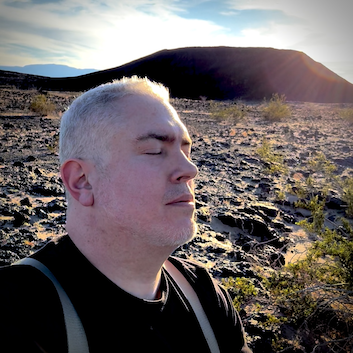
A question I am often asked is if someone “needs” medication to get better. I want to emphasize that medication can be part of an individual treatment plan. Indeed, many ailments in mental health respond well to pharmaceuticals. But equally important is the level of stress in our lives and how we deal with this stress.
One of the great drivers of disease (of any sort) is chronic stress. It will slowly chip away at your ability to function normally. And I realize that much of the time the stress in our lives is hard to avoid.
Mindfulness is a useful tool in de-escalating our bodily response to stress. The practice of deep and deliberate breathing is millennia old and it works. When you inhale deeply you activate the parasympathetic nervous system through the vagus nerve. This sends signals to lower your heart rate, dilate blood vessels, and even lower blood pressure.
If you are new to mindfulness I recommend the video tutorial below. It is sponsored by the National Institutes of Health (NIH) and will walk through the basics. This method of deep breathing and muscle relaxation can be adapted to almost any situation. Or you can try the simple S.T.O.P. technique explained below.
Mindful S.T.O.P.: A Moment to Reset
Mindfulness does not require long periods of meditation. Taking just a minute to pause can help us step away from automatic reactions, reconnect with the present moment, and approach everyday challenges with greater awareness.
Mindful S.T.O.P. is a brief four-step exercise. It can be practiced almost anywhere, in about one minute.
- S — Stop. Pause what you are doing and gently bring your attention back to the present moment.
- T — Take deep and mindful breaths. Take three slow breaths, noticing the sensation of breathing in and out.
- O — Observe the present moment. Notice the sounds, sights, and physical sensations around you, without needing to change them.
- P — Proceed with a smile. Return to what you were doing with renewed attention and a gentle, positive attitude.
The goal is not to eliminate stress or stop thinking, but to make room for a more thoughtful response. You can start with one minute of practice, three times a day. You might try it before work, between appointments, or whenever you feel overwhelmed.
Further reading: Phang, C. K., Keng, S.-L., & Chiang, K. C. (2014). Mindful-S.T.O.P.: Mindfulness Made Easy for Stress Reduction in Medical Students. Education in Medicine Journal, 6(2). Read the article.